Art Residency Research
Collective
7. Fil Rouge-EU RURAL ART
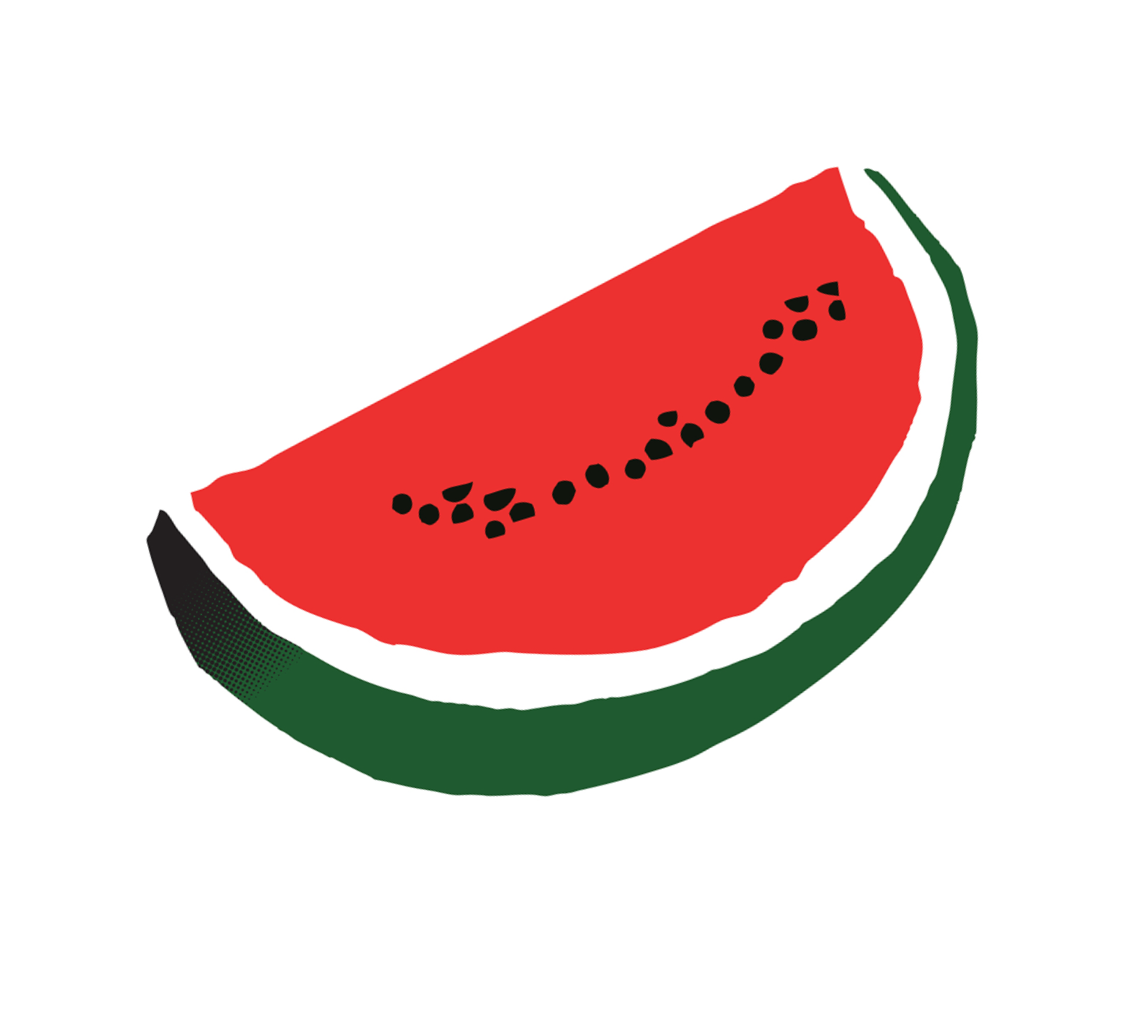 Khaled Hourani
 “The Colours of the Palestinian Flag” (2013) silkscreen (courtesy the artist)
ARRC is against violence, oppression, and extremism in any form, and for ceasefires around the world.


We are delighted to announce that ARRC is part of a new European project awarded under the Creative Europe programme:
EU RURAL-ART
The project will stretch across 2026 and 2027, beginning in mid-April 2026, and will investigate four established residencies located in rural areas in Italy, France and Spain, involving:
CAN de Farrera – Centre d'Art i Natura de Farrera in the Catalan Pyrenees (Spain), La Chambre d'eau in Avesnois / Thiérache (France), Scènes Obliques in the Northern Alps (France), and L'arboreto – Teatro Dimora in Mondaino (Italy).
Four artists and artistic groups will be a part of this project, as they undergo residency in respective locations. The artists who will take part are: Ivana Müller for Scènes Obliques, Sensitropes for La chambre d'eau, CollettivO CineticO for L'arboreto – Teatro Dimora and Coco Moya and Rosa Cerarols for CAN de Farrera – Centre d'Art i Natura de Farrera.
These organisations have firsthand insight into the challenges faced by rural regions—such as geographic isolation, youth outmigration, vulnerable populations, and the impacts of climate change—while also recognising their significant potential for artistic and cultural development. By joining forces, they aim to support both artists and the communities they engage with, fostering a dialogue that opens new perspectives on rural landscapes.
The common red thread (Fil Rouge) throughout the project is the research and reflection of the ARRC team, which explores the politics and poetics of residencies to highlight their value as incubators of possibilities and their function as laboratories in which to imagine a different future.
We will contribute to and open conversations about:
- Art–Community Relationships in Rural Contexts: How artists engage with local communities; Participatory and co-creation processes and connecting artists, researchers, and inhabitants to rethink rural territories.
- Sustainable Cultural Practices: Environmental sustainability (ecological artistic practices); Social sustainability (long-term community impact); Economic sustainability (viability of rural cultural structures) and Residencies as laboratories to test how art can contribute to more sustainable rural futures.
- New Models of Artist Residencies: Comparing and developing residency methodologies across countries; exploring concepts like presenciality, radical hospitality, and hybrid (digital/physical) formats and strengthening cross-border collaboration and knowledge exchange.
At each site, we will engage the entire residency context using three methodologies; we will
1) collaborate with each organisation itself with Archetypes for a Journey,
2) track the artists through Presence Diaries,
and 3) engage the entire residency and its context in situ through
a Social Assembly event.

EU RURAL-ART is co-financed by the Creative Europe programme of the European Union. The opinions expressed, however, are those of the author(s) alone and do not necessarily reflect the views of the European Union or the European Education and Culture Executive Agency (EACEA). Neither the European Union nor the EACEA can be held responsible for them.